When Do You Need Home Care? Here Are the Signs
When is it time for professional home care for your parents? Get guidance.
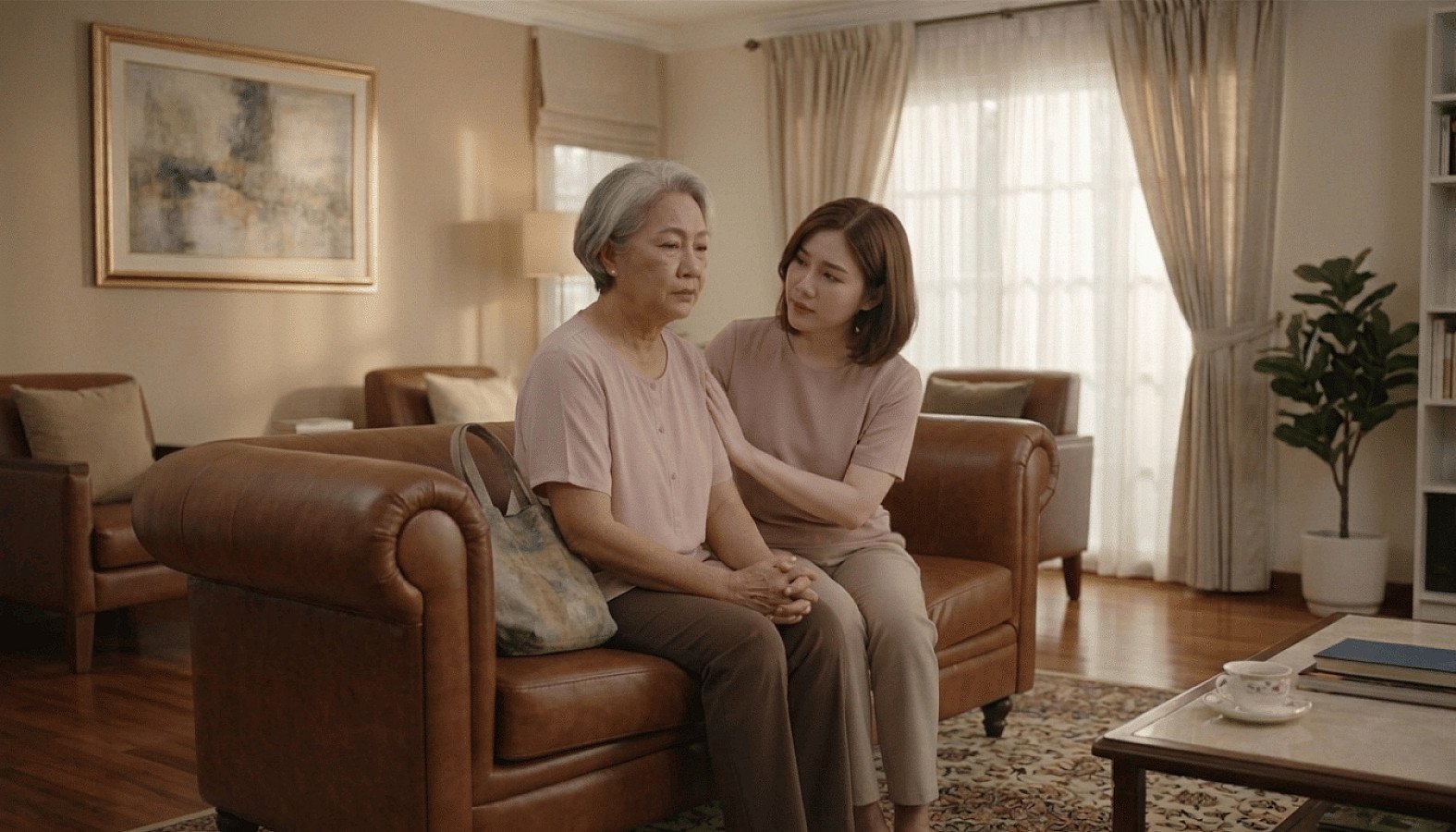
A girl comforts an elderly woman who is worried about her loneliness - RUKUN Home Care
Navigating the complexities of aging loved ones can be a profound journey, often filled with moments of deep connection and unwavering love. Yet, for many adult children, especially those juggling careers and their own families, the growing needs of their aging parents can bring about a unique set of challenges. Recognizing when to seek professional home care services is a significant step, one that balances the desire for independence with the necessity of safety and well-being. This guide will help you understand the signs and considerations that point towards professional support.
When Do You Need a Professional Caregiver for Your Parents?
The decision to bring in professional help is rarely sudden; it's often a gradual realization that your parents require more support than you or other family members can consistently provide. This realization can stem from observing subtle changes in their daily routines, noticing increased safety concerns, or simply feeling overwhelmed by the growing demands of caregiving. Understanding these signs is the first step in ensuring your parents receive the best possible care while maintaining their dignity and comfort.
Observing Changes in Daily Living
One of the most telling signs that your parents may need assistance is observing changes in their ability to manage Activities of Daily Living (ADLs). These are the fundamental tasks individuals need to perform to live independently, such as bathing, dressing, eating, toileting, and mobility. When a senior begins to struggle with these tasks, it can indicate a decline in physical strength, cognitive function, or overall health.
For instance, if you notice your mother, who lives in Depok, is having trouble bathing independently, perhaps due to balance issues or fatigue, it's a clear signal. Similarly, if your father starts wearing the same clothes multiple days in a row or has difficulty preparing meals, these are red flags. These challenges aren't just about convenience; they can lead to poor hygiene, malnutrition, and increased risk of infections or injuries.
Assessing Safety Concerns at Home
Home safety is paramount for seniors, and certain environmental factors can pose significant risks. Tripping hazards, poor lighting, and lack of grab bars in bathrooms are common issues. However, the most critical safety concern is often falls. According to the World Health Organization, falls are a major cause of injury among older adults, leading to fractures, head injuries, and loss of independence. If your parents have experienced one or more falls recently, or if you are constantly worried about them falling, it’s a strong indication that their home environment may not be safe enough without professional supervision.
Beyond physical hazards, medication management can also become a safety issue. Seniors may forget to take their medications, take the wrong dosage, or mix incompatible drugs. This can lead to serious health complications. A professional caregiver can ensure medications are taken on schedule and as prescribed, significantly reducing the risk of adverse events. If you find yourself constantly reminding them about their pills or discovering missed doses, it's time to consider expert assistance.
The Benefits of Professional Home Care Services
Opting for professional home care offers a multitude of benefits that extend beyond basic assistance. It's about providing a holistic approach to senior well-being, ensuring that your loved ones receive not only the physical support they need but also the emotional companionship and specialized care that can significantly enhance their quality of life. This allows seniors to remain in the familiar comfort of their own homes, a preference for many as they age.
Maintaining Independence and Dignity
One of the most significant advantages of home care is its ability to help seniors maintain their independence and dignity. Aging in place, or remaining in one's own home for as long as possible, is a deeply held desire for many. Professional caregivers are trained to assist with daily tasks in a way that respects the senior's autonomy, encouraging them to do as much as they can for themselves while providing support where needed. This approach fosters a sense of self-worth and control over their lives.
Instead of moving to a nursing home or assisted living facility, which can feel like a loss of independence, home care provides a personalized solution. A caregiver can adapt to the senior's routine and preferences, making them feel more comfortable and in charge. This is particularly important for individuals who are accustomed to managing their own lives and households.
Personalized Care Plans and Specialized Support
Professional home care agencies develop individualized care plans tailored to each senior's specific needs, medical conditions, and personal preferences. This is a stark contrast to the one-size-fits-all approach often found in institutional settings. These plans are developed in consultation with the family and, when appropriate, with healthcare professionals. Services can range from assistance with ADLs and medication reminders to more specialized care such as wound care, NGT (nasogastric tube) feeding, or catheter management.
For example, if your parent in Jakarta requires regular wound dressing changes or needs assistance with a nasogastric tube, a certified caregiver with the appropriate training can provide this essential medical support at home. This not only ensures proper care but also reduces the need for frequent hospital visits, offering convenience and comfort. Agencies like RUKUN Home Care also offer live-in caregiver options, providing continuous support and peace of mind for families concerned about their loved one's safety 24/7.
Companionship and Emotional Well-being
Beyond physical assistance, the emotional and social well-being of seniors is crucial. Isolation and loneliness can have detrimental effects on mental and physical health, contributing to depression, anxiety, and cognitive decline. Professional caregivers provide invaluable companionship, engaging seniors in conversation, accompanying them on walks, assisting with hobbies, and facilitating social interactions. This consistent presence can significantly combat feelings of loneliness.
A caregiver acts as a friendly face, a listening ear, and a source of positive interaction. This companionship is not just about passing the time; it’s about fostering a connection that enriches the senior's life and provides emotional support. For families living far away or with demanding schedules, knowing their loved one has a dedicated companion can alleviate significant worry.
Identifying When to Seek Professional Home Care
The signs that professional home care is needed can be subtle or overt, but they all point to a growing need for support. Recognizing these indicators early allows for a smoother transition to professional care, ensuring your parents receive the help they need before a crisis occurs. This proactive approach can prevent accidents, manage health conditions effectively, and maintain a good quality of life.
Changes in Mobility and Physical Capabilities
A significant indicator is a decline in mobility and physical capabilities. This can manifest as difficulty walking, getting up from chairs, or maintaining balance. Seniors may start avoiding activities they once enjoyed due to fear of falling or physical exertion. You might notice them using furniture to steady themselves, moving more slowly, or expressing complaints of pain or stiffness.
For instance, Bu Siti in Tangerang, 72 years old, started finding it increasingly difficult to climb the stairs to her bedroom. This led her to sleep on the sofa downstairs, which was uncomfortable and not conducive to good sleep. This change in her ability to navigate her own home was a clear signal that she needed assistance with mobility, which a caregiver could provide, along with ensuring she had a safe and comfortable place to rest.
Cognitive Changes and Safety Risks
Cognitive changes, such as memory loss, confusion, or difficulty with decision-making, can also signal the need for home care. These changes can lead to safety risks like forgetting to turn off the stove, wandering off, or misplacing essential items. If your parents are becoming increasingly forgetful about appointments, important tasks, or even familiar people, it’s a sign that their cognitive abilities may require professional monitoring and support.
A caregiver can provide a safe environment by ensuring all appliances are turned off, doors are secured, and routines are maintained to minimize confusion. They can also help manage medications, which is crucial for seniors with cognitive impairments who might forget to take them or take incorrect doses. This level of oversight is vital for preventing accidents and ensuring their well-being.
Emotional and Social Withdrawal
Changes in mood and social behavior are equally important indicators. If your parents are becoming withdrawn, losing interest in activities they once loved, showing signs of depression, or expressing feelings of hopelessness, it could be a sign that they are struggling. This emotional distress can be exacerbated by loneliness, physical limitations, or the fear of losing their independence. Professional caregivers can offer companionship and encourage engagement, helping to alleviate these feelings.
A caregiver's presence can foster a sense of connection and purpose. They can encourage participation in social activities, help maintain relationships with friends and family, and provide a consistent source of positive interaction. This emotional support is as critical as physical care in promoting overall well-being.
How to Choose the Right Home Care Provider
Selecting a home care agency is a critical decision that requires careful consideration. You are entrusting the well-being of your loved ones to this provider, so it’s important to choose an agency that is reputable, reliable, and committed to providing high-quality, personalized care. Understanding the qualifications of their caregivers and the range of services offered will help you make an informed choice.
Caregiver Qualifications and Training
The quality of home care is directly linked to the quality of the caregivers. Look for agencies that employ caregivers who are not only compassionate and trustworthy but also professionally trained and certified. Reputable agencies often have rigorous screening processes, including background checks and verification of credentials. They should also provide ongoing training to their staff to ensure they are up-to-date with the latest best practices in senior care.
For example, RUKUN Home Care emphasizes the importance of certified caregivers who have undergone specific training in areas like personal care, first aid, and managing common senior health issues. Some caregivers may also have specialized skills in areas such as dementia care, post-stroke rehabilitation, or managing conditions requiring NGT or catheter care. Understanding the specific training and certifications of potential caregivers ensures they are equipped to handle your parents' unique needs.
Services Offered and Customization
Different seniors have vastly different needs. A good home care agency will offer a comprehensive range of services that can be customized to fit individual requirements. This includes assistance with Activities of Daily Living (ADLs), meal preparation, medication reminders, light housekeeping, transportation to appointments, and companionship. For those requiring more intensive support, services like live-in care, post-hospitalization recovery care, or specialized medical support (e.g., wound care, NGT, catheter care) should be available.
When evaluating agencies, ask about their process for creating personalized care plans. This should involve an initial assessment of the senior's needs, preferences, and living environment. The agency should be flexible and willing to adjust the care plan as the senior's needs change over time. For instance, if your parents live in Bogor and require round-the-clock supervision, a live-in caregiver service would be a suitable option.
The Importance of a Free Consultation
Most reputable home care agencies offer a free initial consultation. This is an invaluable opportunity to discuss your parents' needs in detail, understand the agency's approach to care, and ask any questions you may have. It's also a chance to gauge the agency's responsiveness, professionalism, and overall fit with your family's values.
During the consultation, pay attention to how the agency representative listens to your concerns and how they explain their services. A good agency will be transparent about their pricing, caregiver qualifications, and emergency procedures. This meeting is a crucial step in building trust and ensuring you are making the best choice for your loved ones. Don't hesitate to ask for references or testimonials from other families they have served.
Next Steps
Deciding when to seek professional home care is a thoughtful process, guided by observation, empathy, and a commitment to your parents' well-being. By recognizing the signs of changing needs and understanding the benefits of personalized support, you can ensure your loved ones receive the care they deserve while maintaining their dignity and independence. If you are in the Jabodetabek area and are considering whether home care is the right solution for your family, we invite you to reach out for a complimentary assessment. Our experienced Care Coordinators are ready to discuss your unique situation and guide you toward the best care options.
This article is for educational purposes and is not a substitute for professional medical advice.
You should consider professional home care when you notice changes in your parents' ability to manage daily tasks safely and independently. This includes difficulties with personal hygiene, meal preparation, medication management, or increased forgetfulness. If they are experiencing frequent falls, showing signs of social isolation, or if you, as a caregiver, are feeling overwhelmed and struggling to balance your responsibilities, it's a strong indicator. Professional caregivers can provide essential support, ensuring your parents' well-being and comfort in their familiar environment.
The cost of home care for seniors in the Jabodetabek area can vary depending on the level of care needed, the number of hours required per day or week, and the specific services provided. Many agencies offer flexible packages to suit different budgets. It's advisable to contact several reputable home care providers to get detailed quotes. Look for agencies that are transparent about their pricing and any additional fees. Understanding the value of consistent, professional support can help in making an informed financial decision for your loved one's care.
Look for subtle changes. If your parent is having trouble with personal hygiene like bathing, dressing, or grooming, it's a sign. Difficulty preparing meals, managing medications, or even keeping their living space tidy can also indicate a need for assistance. Increased forgetfulness about appointments or safety hazards, and a general decline in their ability to manage household chores, are also key indicators that professional home care can provide valuable support to maintain their independence and safety.
While family love is invaluable, professional home care offers structured support and expertise. Professional caregivers are trained to handle specific needs, ensuring safety and adherence to best practices. This can reduce the physical and emotional burden on family members, allowing them to maintain their own well-being and relationships. Professional services also offer flexibility and can adapt to changing needs, providing peace of mind that your loved one is receiving consistent, high-quality care, especially when family caregivers have demanding careers or live far away.