How to Plan a Healthy Meal for Seniors: A Complete Guide
A practical guide to planning nutritious menus for seniors with nutrition tips,and overcoming eating difficulties.
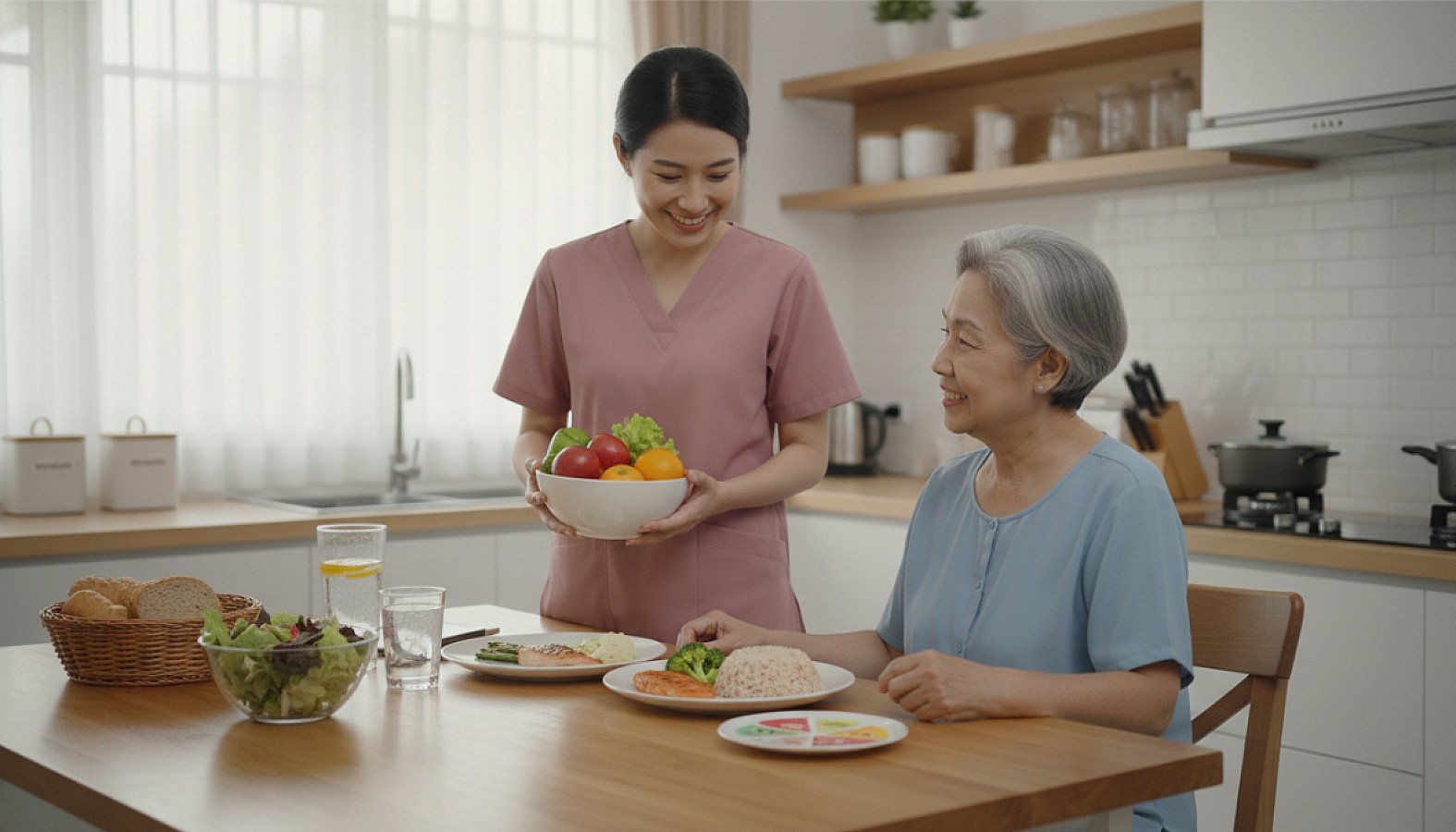
A caregiver presents a bowl of fresh fruit to an elderly woman during a healthy meal - RUKUN Home Care
Proper nutrition is the foundation of good health and quality of life for older adults, yet many families in Tangerang and Jakarta face challenges ensuring their elderly parents eat adequate and balanced meals. Decreased appetite, difficulty chewing or swallowing, changes in taste, and chronic health conditions make menu planning for older adults far more complex than simply preparing meals. Malnutrition in older adults can accelerate health decline, increase the risk of falls and infections, and slow wound healing or recovery from illness. Understanding the specific nutritional needs of older adults and strategies for making meals more appealing and accessible will help maintain your parent's health and independence for longer.
Why Are the Nutritional Needs of Seniors Different from Those of Young Adults?
The aging process brings physiological changes that fundamentally alter how the body processes and uses nutrients. Understanding these changes helps us design menus that not only meet calorie needs but also provide the specific nutrients needed for optimal health in older age.
Metabolic Changes and Energy Needs
Seniors' basal metabolic rate decreases by about 1-2% per decade after age 30 due to decreased muscle mass and reduced physical activity. This means they need fewer calories to maintain their weight, but their need for specific nutrients like protein, calcium, and certain vitamins actually increases.
- Lower calorie needs: Sedentary seniors need about 1600-2000 calories per day compared to 2000-2400 calories for younger adults. More active seniors require 2000-2400 calories depending on their activity level.
- Increased protein needs: To prevent sarcopenia and maintain immune function, older adults need 1-1.2 grams of protein per kg of body weight per day, higher than the 0.8 grams recommended for younger adults.
- Higher calcium and vitamin D needs: Older adults need 1200 mg of calcium and 800-1000 IU of vitamin D per day to maintain bone health and prevent osteoporosis.
- Reduced nutrient absorption: Decreased stomach acid and changes in the intestinal mucosa reduce the absorption of vitamin B12, iron, and calcium, so higher intakes or supplementation may be necessary.
- Fiber needs for digestion: Slower intestinal motility makes older adults prone to constipation, so a fiber intake of 25-30 grams per day is essential for good health's digestion.
Factors Affecting Food Intake
Various physical, psychological, and social factors can reduce food intake in older adults, which, if left unaddressed, can lead to malnutrition and rapid health decline. Identifying specific barriers allows for more targeted interventions.
Decreased senses of taste and smell can make food taste bland, reducing appetite. Dental problems such as missing teeth, sore gums, or ill-fitting dentures can make chewing painful and ineffective. Health conditions such as dementia can cause forgetfulness or loss of the ability to use eating utensils. Medication side effects can cause nausea, dry mouth, or changes in taste that interfere with appetite.
How to Plan a Balanced Meal for Older Adults?
Effective menu planning takes into account not only nutritional needs but also personal preferences, ease of preparation, and the individual's specific health conditions. A varied and appealing menu increases compliance and increases enjoyment of eating.
Basic Principles of Daily Menu Planning
A daily menu for seniors should include the right balance of complex carbohydrates, high-quality protein, healthy fats, fiber, and essential micronutrients. The plate method is a simple, visual way to ensure proper proportions.
- Complex carbohydrates (25-30% of plate): Choose carbohydrate sources with a low glycemic index such as brown rice, oats, sweet potatoes, quinoa, or whole-wheat bread. Complex carbohydrates provide steady energy and fiber for healthy digestion.
- High-quality protein (25-30% of plate): Include animal proteins such as fish, skinless chicken, eggs, or lean beef, as well as plant proteins such as tempeh, tofu, beans, and lentils. Aim for a minimum of 25-30 grams of protein per main meal.
- Colorful vegetables (40-50% of your plate): Fill half your plate with a variety of colorful vegetables rich in antioxidants, vitamins, and minerals. Aim for a combination of dark green vegetables (spinach, kale), orange vegetables (carrots, squash), and red/purple vegetables (tomatoes, eggplant).
- Moderate healthy fats: Add sources of unsaturated fats such as olive oil, avocado, nuts, or fatty fish (salmon, sardines) for heart health and the absorption of fat-soluble vitamins (A, D, E, K).
- Dairy or dairy products: Include 2-3 servings of low-fat dairy products such as milk, yogurt, or cheese to meet your calcium and protein needs. Choose products fortified with vitamin D whenever possible.
- Fresh fruits: 2-3 servings of fruit per day as snacks or desserts, focusing on fruits with high fiber and a low glycemic index such as apples, pears, papaya, or berries.
- Adequate fluids: Aim for a total fluid intake of 6-8 glasses (1500-2000 ml) per day from water, soup, herbal tea, or diluted juice. Avoid excessively caffeinated or sugary beverages.
Sample Balanced Daily Menu
The following menu template can be adapted to local preferences, ingredient availability, and specific health conditions. A professional caregiver can help prepare this menu consistently to ensure optimal nutritional intake.
- Breakfast (7:00 AM - 350-400 calories): Oatmeal with sliced banana and almonds, plus 1 boiled egg and a glass of low-fat milk. Alternative: 3 tablespoons of brown rice with sautéed spinach, fried tempeh, and sliced papaya.
- Morning snack (10:00 - 150-200 calories): Plain yogurt with chia seeds and a little honey, or a small banana with 10-15 walnuts.
- Lunch (12:30 - 500-600 calories): 4-5 tablespoons of brown rice, grilled or steamed fish (100 grams), stir-fried green beans and carrots, vegetable soup with tofu, and sliced watermelon. Include a mild chili sauce to increase your appetite. Afternoon snack (3:30 PM - 150-200 calories): Milk or jelly pudding with sliced fruit, or whole wheat bread with peanut butter without added sugar. Dinner (6:30 PM - 450-500 calories): 3-4 tablespoons of brown rice, skinless grilled chicken (80-100 grams), capcay or sour vegetables, potato croquettes, and sliced green apple. Avoid heavy or spicy meals too close to bedtime. Evening snack (9:00 PM if needed - 100-150 calories): A glass of warm, low-fat milk or whole-wheat crackers with low-fat cheese to prevent late-night hunger pangs that can disrupt sleep.
What are some strategies for addressing common eating issues in older adults?
Various challenges can interfere with adequate food intake in older adults. Identifying specific issues and implementing tailored solutions can make a big difference in their nutritional status and quality of life.
- Addressing Decreased Appetite: Decreased appetite is one of the most common problems in older adults and can be caused by a variety of factors, from medications to depression. A multi-strategy approach is often necessary to consistently increase food intake.
- Smaller portions more frequently: Instead of 3 large meals, offer 5-6 small meals/snacks throughout the day. Large portions can seem overwhelming and reduce motivation to eat.
- Increase nutrient density: Choose nutrient-dense foods like avocados, nuts, eggs, cheese, and protein-rich smoothies so each bite delivers maximum nutritional value.
- Make food more visually appealing: Attractive food presentation with bright colors and neat plating can increase appetite. Use smaller plates to keep portions from looking too large.
- Add herbs and spices: As taste buds diminish, add more herbs and spices (ginger, turmeric, kaffir lime leaves, lemongrass) to enhance flavor without adding excessive salt.
- Create a pleasant dining atmosphere: Eating with family or in a bright, comfortable dining room improves mood and appetite. Avoid eating alone in your room, which can feel isolating.
- Schedule meals at consistent times: A regular routine helps your body anticipate mealtimes and can increase hunger at these times.
- Review medications with your doctor: If your appetite decreases drastically or suddenly, consult your doctor, as some medications can be switched or the dosage adjusted to reduce side effects that interfere with appetite.
Managing Chewing and Swallowing Difficulties
Dysphagia (difficulty swallowing) and dental problems are serious barriers that can lead to malnutrition and the risk of choking or aspiration. Modifying food textures should be done carefully to maintain nutritional value while ensuring safety.
- Evaluation by a speech therapist: If an older adult frequently chokes or coughs while eating, an evaluation by a speech therapist specializing in dysphagia can help determine safe textures and proper swallowing techniques.
- Soft-textured diet: For mild chewing problems, serve naturally soft foods such as scrambled eggs, tofu, steamed fish, mashed potatoes, or vegetables cooked until very soft.
- Minced foods: For more significant chewing difficulties, mince all solid foods to a meatloaf-like consistency. Add broth or sauce to maintain moisture.
- Pure or blended foods: For severe dysphagia, blend foods to a smooth consistency similar to baby puree but with added seasonings for an adult taste. Use thickener if necessary to achieve the right consistency.
- Avoid high-risk foods: Minimize sticky foods (mochi, sticky rice), dry foods (dry bread, crackers without liquid), or hard foods (whole nuts, tough meats) that increase the risk of choking.
- Proper sitting position: Ensure seniors sit upright at a 90-degree angle while eating and remain seated for at least 30 minutes after eating to prevent reflux and aspiration.
- Dental and Denture Repair: Consult a dentist to ensure dentures fit properly or to discuss dental repair options that can improve chewing ability.
Strategies for Seniors with Dementia
Dementia presents unique challenges in feeding because seniors may forget how to use utensils, not recognize foods, or refuse to eat altogether. Patience and creativity are needed to ensure adequate nutrition.
- Easy-to-grasp finger foods: Serve finger-friendly foods such as homemade chicken nuggets, croquettes, croquettes, large pieces of fruit, or small sandwiches that facilitate independent feeding.
- One food at a time: Too many choices can be confusing. Serve one food or plate component at a time to reduce overstimulation.
- Simple eating utensils: Use plates that contrast with the food, bowls with high sides to prevent spills, and large spoons that are easier to use than forks.
- Quiet environment: Turn off the TV and minimize other distractions during mealtimes to help older adults focus on eating.
- Gentle verbal prompting: Give simple instructions one step at a time: "Pick up the spoon," "Bring it to your mouth," "Chew," "Swallow." Use a gentle, supportive tone.
- Sensitive feeding assistance: If an older adult needs assistance feeding, sit at their eye level, show them the food on the spoon before offering it, and allow them time to chew and swallow before the next bite.
- Monitor for signs of dehydration: Older adults with dementia often forget to drink. Offer fluids regularly throughout the day and include high-water foods like soup, watermelon, or jelly.
How to Ensure Adequate Hydration for Older Adults?
Dehydration is a serious and often overlooked problem in older adults that can lead to confusion, urinary tract infections, constipation, and even hospitalization. The thirst mechanism decreases with age, so seniors don't feel thirsty even though their bodies need fluids.
Fluid Needs and Signs of Dehydration
Seniors need a minimum of 1,500-2,000 ml (6-8 glasses) of fluid per day, more if the weather is hot, they are physically active, or they have conditions such as fever or diarrhea. Needs can vary based on body weight, health conditions, and medications taken.
- Early signs of dehydration: Dry mouth, chapped lips, dark yellow or decreased urine volume, lightheadedness, or unusual fatigue. Don't wait until the elderly person is thirsty to offer fluids.
- Signs of moderate to severe dehydration: Sudden confusion or disorientation, dizziness upon standing, dry skin that doesn't return quickly when pinched, sunken eyes, or a significant decrease in urine output. This requires immediate medical attention.
- Diverse fluid sources: Plain water is best, but variations such as decaffeinated herbal tea, low-sodium broth, diluted juice, or infused water with sliced fruit can make hydration more appealing.
- High-water foods: Soup, watermelon, cantaloupe, oranges, cucumbers, tomatoes, and lettuce can contribute significantly to daily fluid intake while providing additional nutrients.
- Limit natural diuretics: Cut back on caffeine and alcohol, which can increase fluid loss. If older adults drink coffee or tea, make sure they drink extra water to compensate.
Strategies to Increase Fluid Intake
Making hydration part of your daily routine and making fluids more appealing can significantly increase intake without feeling like a chore. A caregiver from assessment can help monitor and encourage consistent hydration throughout the day.
- Structured drinking schedule: Offer a glass of water or other fluid at set times throughout the day—upon waking, with each meal, between meals, and before bed. Use an alarm or reminder if needed.
- Easy-to-access water bottle: Place a water bottle or glass in an easily accessible place next to a favorite chair, the dining table, and next to the bed. Use a bottle with measurement markings to track intake.
- Special straw or cup: Some older adults find it easier to drink from a straw or a cup with a lid and spout that prevents spills. Choose one that suits their motor skills.
- Preferred temperature: Some older adults prefer cold water, while others prefer warm or room temperature water. Offer choices to increase the likelihood they'll drink.
- Add natural flavors: Lemon, lime, cucumber, or berry slices can make water more appealing without adding significant calories or sugar.
- Fluids with added nutrients: For seniors who are severely dehydrated or low on calories, consider smoothies, healthy milkshakes, or liquid nutritional supplements that provide both hydration and nutrition.
- Monitor urine output: Record the frequency and color of urine as indicators of hydration. Clear or pale yellow urine indicates good hydration, while dark yellow or orange urine indicates dehydration.
Next Steps: Improving Your Parent's Nutrition and Quality of Life
Good nutrition is an investment in your parent's long-term health and quality of life. With thoughtful menu planning, attention to their specific challenges, and consistent support, you can ensure they get the nutrition they need to stay healthy, active, and independent for longer. Don't hesitate to seek professional help if you're facing significant challenges ensuring adequate nutrition.
If you need professional assistance with menu planning, preparing nutritious meals, or providing feeding assistance for your parent, our team of caregivers at RUKUN Home Care is ready to help. Visit assessment for a free consultation about your elderly care and nutritional needs, or contact us via WhatsApp at RUKUN Home Care for more information about our nutritional support services.
Disclaimer: This article is educational and provides general guidance on nutrition and meal planning for seniors. This information does not replace a consultation with a doctor, clinical nutritionist, or registered dietitian. Each senior has unique nutritional needs based on their health condition, medications, and nutritional status. For seniors with specific medical conditions such as diabetes, kidney failure, heart disease, or swallowing disorders, consult with your medical team for a personalized diet plan. Do not make drastic dietary changes or start supplements without consulting a healthcare professional. For specific guidance on elderly nutrition or professional caregiver services that can help with menu planning and meal preparation, visit FAQ or contact the RUKUN Home Care team for a personalized consultation tailored to your family's needs.
Signs of malnutrition in elderly are often unclear in early stages but can be identified through careful observation. Physical signs include unintentional weight loss more than 5% in one month or 10% in six months, clothes or jewelry becoming loose, loss of muscle mass especially in upper arms and thighs, dry and inelastic skin, and slow-healing wounds. Functional signs include increased weakness or fatigue, difficulty walking or standing from chair that was previously easy, and decreased endurance for daily activities. Behavioral signs include loss of interest in favorite foods, eating very small portions consistently, or spending very long time eating. For objective assessment, use Mini Nutritional Assessment (MNA) that can be done by doctor or nutritionist, or conduct laboratory tests to check albumin, prealbumin, and hemoglobin levels. If concerned about nutritional status, consult with doctor or nutritionist who can recommend interventions like nutritional supplements or diet modifications.
Decision about supplementation must be made individually based on nutritional status, diet, health conditions, and laboratory test results. Generally, elderly are at high risk for vitamin D deficiency (due to reduced sun exposure and skin ability to synthesize vitamin D), vitamin B12 (due to decreased stomach acid needed for absorption), calcium (for bone health), and sometimes iron (especially if anemic). Multivitamin supplements specifically for seniors with adjusted doses can benefit elderly with poor or very limited food intake. However, excessive supplementation can be harmful—for example, too much vitamin A can increase fracture risk, and excess iron can cause constipation or heart problems. Always consult with doctor before starting any supplements as they can interact with medications or worsen certain health conditions. Blood tests can identify specific deficiencies requiring targeted supplementation rather than one-size-fits-all approach.
Food refusal or food jags (eating only one type of food) can be caused by various factors from physical to psychological issues. First, identify underlying cause—whether dental problems making chewing painful, medication side effects causing nausea, depression reducing food interest, or dementia making them forget to eat. If physical or medical problem, address root cause first with doctor consultation. For more behavioral refusal or preferences, try following strategies: respect preferences within reasonable limits while slowly introducing small variations, serve favorite foods in different ways or new combinations to add variety without drastic changes, involve them in menu planning or food preparation if able to increase ownership, make eating atmosphere more social and enjoyable by eating with family or inviting friends. If elderly only want to eat one type of food, ensure that food is as nutritious as possible and add nutrients in invisible ways—for example, if they only want rice, fortify with bone broth, add finely chopped vegetables mixed in, or serve with protein side dishes they don't realize. Don't force or threaten as this can worsen refusal and create negative eating experiences.
Pureed or blended texture food can be safe and necessary long-term solution for elderly with severe dysphagia or chewing problems that cannot be corrected. However, several important considerations must be noted to ensure safety and nutritional quality. First, ensure clear medical indication through evaluation by speech therapist or doctor who can determine appropriate and safe texture modification level. Second, pay attention to nutrient density because blended food often becomes more diluted and same volume contains fewer calories and nutrients—add protein powder, healthy oils, or full-cream milk to increase calorie density. Third, maintain taste and presentation variety despite same texture—use spices and herbs, serve in separate bowls rather than mixing all food into one, and vary colors to make visually appealing. Fourth, monitor hydration as pure diet high in water can cause quick fullness but low calorie intake. Fifth, conduct periodic reviews with medical team to evaluate whether texture can be upgraded with condition improvement. Lastly, ensure strict hygiene in preparation as blended food is more susceptible to bacterial contamination. With proper management, modified texture diet can support optimal nutrition and good quality of life long-term.
Professional caregivers play vital role in ensuring elderly receive optimal nutrition through various ways. They can plan weekly balanced menus based on elderly preferences, special dietary needs (diabetes, hypertension, kidney failure), and available budget, ensuring sufficient variety to prevent boredom. Caregivers can shop for fresh ingredients by choosing good quality products appropriate for dietary needs. They prepare food with healthy cooking techniques (steam, bake, boil) and adjust texture according to elderly chewing and swallowing abilities. Trained caregivers from services like RUKUN Home Care can also provide feeding assistance for elderly who need it, monitor how much is consumed and report changes in appetite or eating patterns to family. They can identify early signs of malnutrition or dehydration and recommend timely interventions. Caregivers also help with meal prep for several days ahead, store food safely, and manage food safety to prevent food poisoning. For elderly with special conditions like dementia or dysphagia, specially trained caregivers can implement appropriate and safe feeding strategies. Coordination with nutritionists or doctors can also be done by caregivers to ensure nutrition plan remains optimal with changing health conditions.