How to Manage Diabetes in the Elderly: A Complete Guide
A practical guide to managing diabetes in the elderly with blood sugar control, a healthy diet, and regular monitoring.
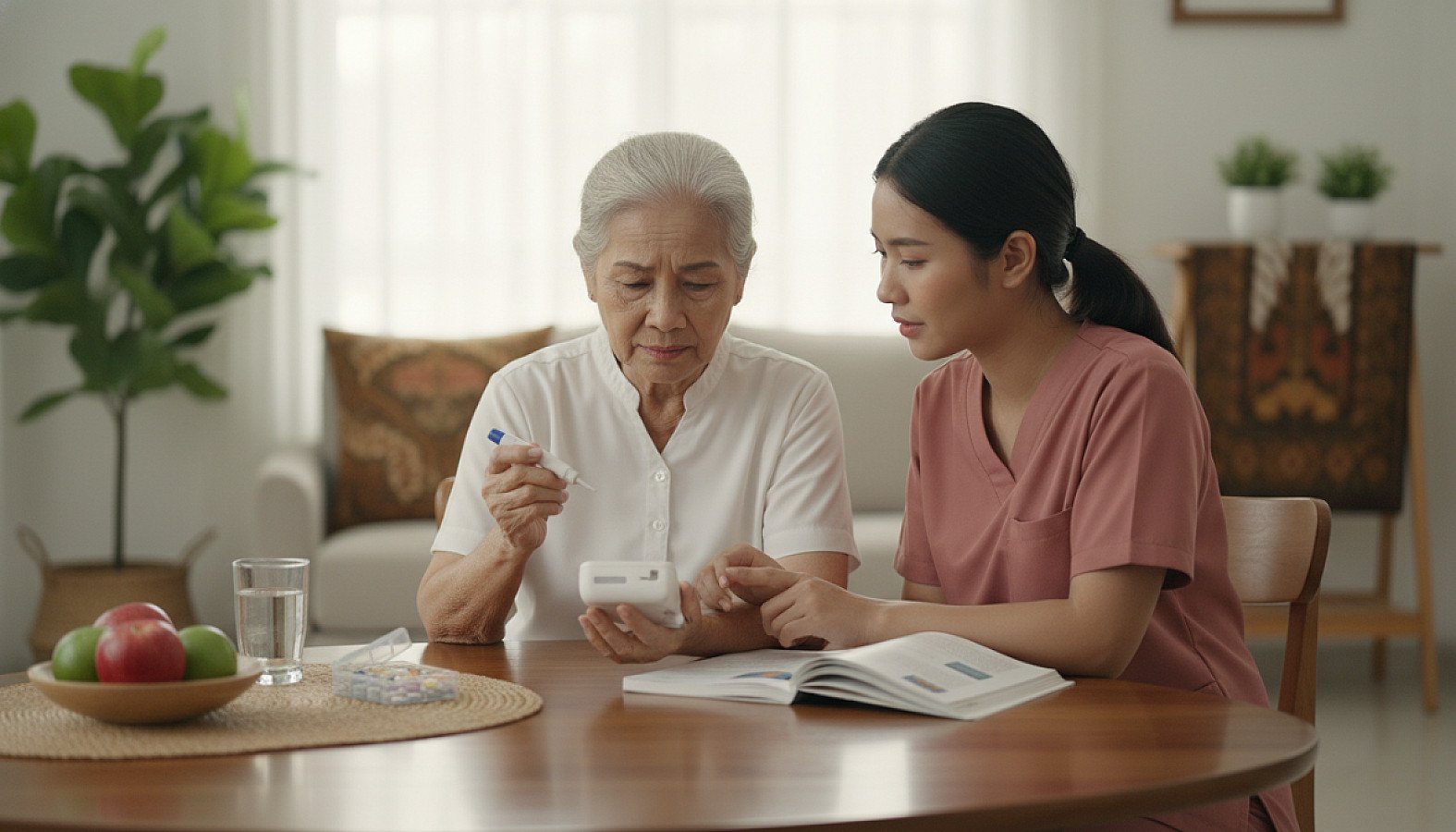
A caregiver assist an elderly woman with a blood glucose monitor at a table - RUKUN Home Care
Diabetes mellitus is one of the most common chronic conditions affecting older adults in Indonesia, with prevalence increasing with age. Managing diabetes in older adults requires special attention because complications can arise more quickly and be more severe than in younger adults. Many families in Jakarta and Bekasi face challenges in ensuring their parents maintain normal blood sugar levels while still enjoying a good quality of life. A proper understanding of diabetes management will help prevent serious complications such as kidney damage, vision impairment, and cardiovascular problems.
Why Does Diabetes in the Elderly Require Special Management?
Diabetes in the elderly has unique characteristics that differentiate it from diabetes in younger populations. Physiological changes associated with aging, coexisting health conditions, and declines in cognitive and physical function make diabetes management more complex and require strategies tailored to individual needs.
Metabolic Changes in the Elderly
As people age, the body experiences changes in how it produces and uses insulin. Insulin resistance tends to increase in the elderly due to decreased muscle mass, increased visceral fat, and decreased physical activity. The pancreas also experiences a decline in insulin production, making the combination of these two factors more challenging.
Decreased kidney function in the elderly affects how the body processes diabetes medications and excretes excess sugar through urine. This requires adjusting medication dosages and choosing safer therapies to prevent drug accumulation, which can cause dangerous side effects.
Higher Risk of Complications
Seniors with diabetes have a higher risk of macrovascular complications such as heart attack, stroke, and peripheral artery disease. Microvascular complications such as nerve damage (neuropathy), eye damage (retinopathy), and kidney damage (nephropathy) also develop more quickly if blood sugar is not well controlled.
- Dangerous Hypoglycemia: Seniors are more susceptible to episodes of low blood sugar, which can lead to falls, confusion, and even loss of consciousness. Symptoms of hypoglycemia in the elderly are often subtle, making them difficult to recognize.
- Slow wound healing: Diabetes impairs blood circulation and the immune system, putting even minor wounds like abrasions or foot cuts at risk of developing into serious infections.
- Cognitive impairment: Uncontrolled blood sugar can accelerate cognitive decline and increase the risk of dementia by 50-60%.
- Depression and social isolation: The burden of managing a chronic illness often leads to mental health issues that affect adherence to therapy.
How to Effectively Monitor Blood Sugar in the Elderly?
Consistent blood sugar monitoring is the foundation of successful diabetes management. For the elderly, the frequency and timing of testing should be tailored to the type of diabetes, the therapy used, and their ability to perform self-monitoring.
Types of Blood Sugar Tests
There are several blood sugar testing methods relevant for monitoring diabetes in the elderly. Each method provides different information that complements each other to provide a comprehensive picture of glycemic control.
- Fasting blood sugar (FBS): Measured after fasting for at least 8 hours, ideally before breakfast. The normal target for the elderly is 90-130 mg/dL, with flexibility up to 140 mg/dL in certain cases.
- 2-hour postprandial blood sugar (2-hour postprandial blood sugar): Measured 2 hours after starting a meal to assess the body's response to food. A good target is below 180 mg/dL for the elderly.
- Random blood sugar: Can be done at any time regardless of mealtime, useful for detecting hyperglycemia or symptomatic hypoglycemia.
- HbA1c (Glycylated Hemoglobin): A laboratory test that shows the average blood sugar over the past 2-3 months. The target for seniors is usually 7-8%, which is more flexible than the 6.5% target for young adults.
- Continuous Glucose Monitoring (CGM): Sensor technology that monitors blood sugar in real time for 24 hours, is very useful for detecting patterns and fluctuations that are not visible with conventional testing.
Daily Monitoring Protocol
The frequency of monitoring should be adjusted to the complexity of diabetes therapy. Seniors who use insulin require more frequent monitoring than those who only use oral medications or manage their diabetes with diet alone.
- For insulin users: Tests should be taken at least before meals and at bedtime (four times daily), plus additional tests if symptoms of hypoglycemia or hyperglycemia develop.
- For oral users: Tests 2-3 times a week at varying times (fasting, 2 hours after meals, at bedtime) to obtain a representative picture.
- For diet and physical activity only: Tests weekly or as recommended by your doctor, with HbA1c tests every three months for long-term evaluation.
- Documentation of results: Record all test results, including time, food intake, physical activity, and medications, in a diabetes diary or health app for your doctor's review.
Diet and Nutrition for Optimal Blood Sugar Control
A proper diet is one of the most important pillars in diabetes management in the elderly. A well-designed diet not only controls blood sugar but also ensures adequate nutrient intake to maintain healthy bones, muscles, and the immune system, which often decline with age.
Basic Principles of a Diabetes Diet for the Elderly
A diabetes diet for the elderly must consider lower calorie needs due to decreased metabolism, while still ensuring adequate protein, vitamins, and minerals. A balanced and realistic approach is more effective than strict restrictions that are difficult to maintain.
- Control carbohydrates with a low glycemic index: Choose complex carbohydrates like brown rice, oats, sweet potatoes, and whole grains that release sugar slowly into the bloodstream.
- Portion-controlled plate method: Fill half your plate with non-starchy vegetables, a quarter with lean protein, and a quarter with complex carbohydrates.
- High-quality protein: Consume protein from fish, skinless chicken, eggs, tempeh, and tofu to maintain muscle mass, which is important for mobility and metabolism.
- Moderate healthy fats: Choose unsaturated fat sources like avocados, nuts, and olive oil while limiting saturated and trans fats.
- High fiber for blood sugar control: Aim for at least 25-30 grams of fiber per day from Vegetables, fruits with skin, nuts, and whole grains.
- Regular meal schedule: Eating at consistent times every day helps stabilize blood sugar and makes it easier to adjust medication doses.
- Adequate hydration: Drink 6-8 glasses of water per day to help the kidneys remove excess sugar and prevent dehydration, which can increase blood sugar.
Sample Daily Menu for Seniors with Diabetes
The following menu provides a practical guide that can be adapted to local preferences and ingredient availability in Tangerang and the surrounding area. A trained caregiver can assist with meal preparation to ensure consistency and adherence to the diet plan.
- Breakfast (7:00 AM): Oatmeal with sliced green apple and cinnamon, plus a boiled egg and a cup of unsweetened green tea. Alternative: 3 tablespoons of brown rice with stir-fried spinach and fried tofu.
- Morning snack (10:00 AM): A handful of raw almonds or a small banana (half a banana) with 2 tablespoons of unsweetened peanut butter.
- Lunch (12:30 PM): 4 tablespoons of brown rice, grilled or steamed fish, stir-fried green beans and carrots, vegetable soup, and braised tempeh. 1 small slice of papaya or watermelon for dessert.
- Afternoon snack (3:30 PM): Plain, unsweetened yogurt with chia seeds, or boiled edamame with a little salt.
- Dinner (6:30 PM): 3 tablespoons of brown rice, skinless grilled chicken, capcay or gado-gado with low-sugar peanut sauce, and steamed tofu. Chamomile tea for relaxation.
- Evening snack (9:00 PM, if needed): A glass of low-fat, unsweetened milk or 5-6 walnuts to prevent nocturnal hypoglycemia in insulin users.
What is the Role of Physical Activity and Caregivers in Diabetes Management?
Regular physical activity is a crucial component of diabetes management that is often overlooked in older adults. Exercise helps improve insulin sensitivity, control weight, improve cardiovascular health, and improve mood and sleep quality.
Safe Types of Physical Activity for Older Adults with Diabetes
A physical activity program for older adults with diabetes should consider their physical condition, mobility, and risk of complications such as neuropathy or heart problems. A professional caregiver can help facilitate and supervise these activities to ensure safety.
- Breathtaking Walking: The safest and most effective activity is to start with 10-15 minutes per day and gradually increase to 30 minutes, 5 times a week. Choose morning or afternoon to avoid the hot sun.
- Gymnastics for the elderly or chair exercises: Gentle movements that can be done while sitting, focusing on joint range of motion, muscle strengthening, and balance.
- Tai chi or yoga: Helps with balance, flexibility, and stress reduction. Many senior centers in Jakarta offer classes specifically for seniors.
- Swimming or aqua aerobics: A good option for seniors with joint problems because the water reduces pressure on the joints while providing resistance for muscle strengthening.
- Light resistance training: Use resistance bands or light weights (0.5-1 kg) to maintain muscle mass, which is important for blood sugar metabolism.
Caregiver Support in Daily Diabetes Management
Trained caregivers play a vital role in helping older adults manage their diabetes consistently and safely. They not only assist with practical tasks but also provide emotional support and motivation, which are essential for long-term adherence.
- Regular blood sugar monitoring: Caregivers can perform blood sugar checks at the right time, record results accurately, and recognize signs of hypoglycemia or hyperglycemia.
- Medication management: Ensuring oral medications are taken on time and at the correct dose, or assisting with insulin administration if the elderly person has difficulty administering it themselves.
- Consume diabetes-friendly foods: Helps manage your diet with appropriate portions and enough variety to prevent boredom.
- Daily foot care: Checking feet daily for cuts, abrasions, or signs of infection that are often overlooked by elderly people with diabetic neuropathy.
- Coordination with medical personnel: Attending doctor's appointments, reporting changes in condition, and communicating monitoring results for adjustments therapy.
- Motivation for physical activity: Accompanying morning walks, facilitating elderly exercise, and ensuring seniors remain active within their abilities.
Next Steps: Optimizing Your Parent's Diabetes Management
Managing diabetes in older adults is a long-term journey that requires commitment, consistency, and the right support. With a comprehensive strategy that includes blood sugar monitoring, a balanced diet, regular physical activity, and appropriate medication, older adults with diabetes can live a quality life with minimal complications.
If you need professional help managing your parent's diabetes, our team at RUKUN Home Care is ready to provide support from trained caregivers who understand the unique needs of older adults with diabetes. Visit assessment for a free consultation and a care plan tailored to your parent's condition. Contact us via WhatsApp at RUKUN Home Care or learn more about our services at FAQ.
Disclaimer: This article is for educational purposes only and does not replace professional medical consultation. Any adjustments to diabetes therapy, dietary changes, or physical activity programs should be discussed with your parent's doctor or diabetes specialist. The information in this article is based on general medical guidelines and practical experience in caring for older adults with diabetes. Blood sugar targets and management strategies should be personalized based on individual health conditions, age, cognitive function, and life expectancy. For specific guidance on diabetes management and professional caregiver services, contact us team for a consultation tailored to your family's needs.
Blood sugar targets for elderly individuals are more flexible compared to younger adults to minimize the risk of dangerous hypoglycemia. For healthy and independent elderly, the target HbA1c is 7-7.5%, fasting blood sugar 90-130 mg/dL, and blood sugar 2 hours after meals below 180 mg/dL. For elderly with complex health conditions, limited life expectancy, or history of severe hypoglycemia, targets can be relaxed to HbA1c 8-8.5%. Discuss with your doctor to determine individual targets that consider health conditions, cognitive function, and complication risks. Targets that are too strict can increase the risk of low blood sugar causing falls and serious injuries.
No, elderly individuals with diabetes do not need to avoid fruits completely. Fruits contain fiber, vitamins, minerals, and antioxidants important for health. The key is choosing fruits with low to medium glycemic index and controlling portions. Good choices include apples, pears, oranges, papaya, guava, and berries. Consume in small portions (1 piece or half cup) as part of complete meals or snacks with protein/healthy fats to slow sugar absorption. Avoid fruit juices due to fiber loss and high sugar concentration. Very sweet fruits like ripe mangoes, grapes, and pineapples should be limited. The best time to consume fruit is as morning or afternoon snacks, not after large meals already high in carbohydrates.
Hypoglycemia (blood sugar below 70 mg/dL) is an emergency condition requiring quick handling. Symptoms include shaking, sweating, confusion, weakness, or dizziness. If the elderly person is still conscious and can swallow, give 15-20 grams of fast carbohydrates such as 3-4 candies, 1 tablespoon honey, or half glass fruit juice. Wait 15 minutes and recheck blood sugar. If still low, repeat carbohydrate administration. After blood sugar normalizes, provide snacks containing complex carbohydrates and protein. If the elderly person is unconscious or cannot swallow, DO NOT give food or drinks through the mouth. Immediately call ambulance 119 or bring to the nearest emergency room. Caregivers from RUKUN Home Care are trained to recognize and handle hypoglycemic episodes properly.
The decision to fast must be made after thorough consultation with a doctor considering blood sugar control, type of diabetes medication, and complication risks. Elderly with stable diabetes using medications that do not cause hypoglycemia (like metformin) can generally fast safely after adjusting medication schedules and doses. However, elderly with poor blood sugar control, history of recurrent hypoglycemia, severe diabetes complications, or other serious medical conditions should not fast. If deciding to fast, it is important to monitor blood sugar more frequently, maintain adequate hydration during iftar and suhoor, and immediately break the fast if blood sugar is too low (below 70 mg/dL) or too high (above 300 mg/dL). Many religious institutions provide dispensation for elderly with chronic health conditions.
Foot care is a crucial aspect of diabetes management because neuropathy and poor circulation increase the risk of infections and ulcers that can lead to amputation. Conduct daily foot inspections to look for wounds, blisters, redness, or swelling. Wash feet daily with warm (not hot) water and mild soap, dry gently especially between toes. Use moisturizer to prevent dry and cracked skin, but avoid areas between toes. Cut nails straight horizontally to prevent ingrown toenails. Wear well-fitting and comfortable shoes with soft cotton socks without rough seams. Avoid walking barefoot even indoors. Check inside shoes before wearing to ensure there are no foreign objects. If you find wounds or changes in feet, immediately consult a doctor or diabetic wound care clinic. Professional foot examinations every 3-6 months are highly recommended.