How to Improve Sleep Quality in the Elderly: A Complete Guide
A practical guide to improving sleep quality in the elderly with a nighttime routine and overcoming sleep disorders.
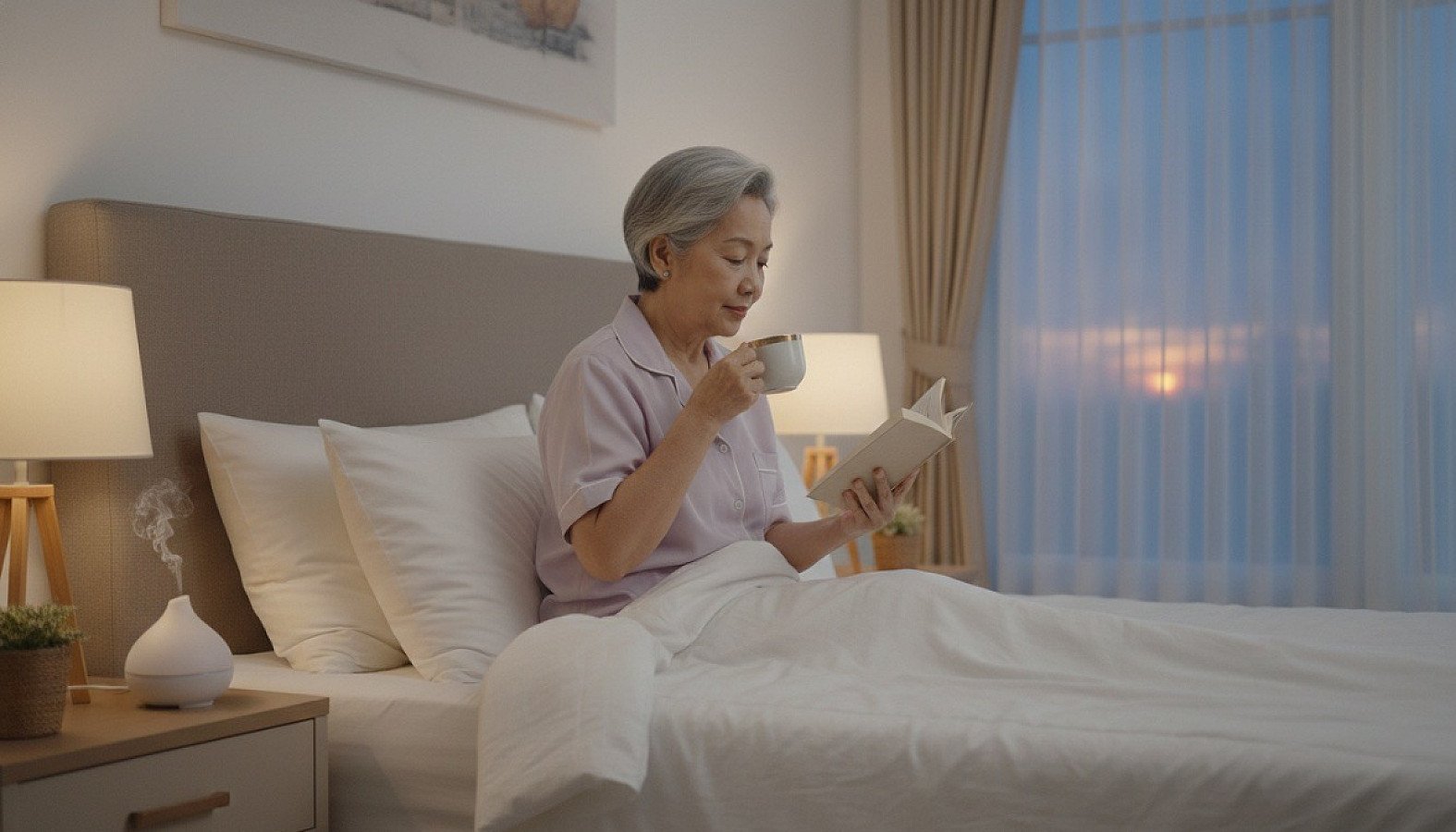
An elderly woman reads a book and drinking tea in bed before sleeping - RUKUN Home Care
Quality sleep is a fundamental component of senior health that is often overlooked, yet chronic sleep disorders can significantly worsen physical and mental health. Many families in Jakarta and Depok report that their parents have difficulty sleeping at night, wake up frequently, or go to bed very early and wake up very early. Sleep deprivation in seniors not only causes fatigue and daytime sleepiness but also increases the risk of falls, worsens chronic conditions like diabetes and hypertension, accelerates cognitive decline, and weakens the immune system. Understanding changes in normal sleep patterns in older adults and implementing strategies to improve sleep quality can have a significant impact on your parent's overall health and quality of life.
Why Do Sleep Patterns Change with Age?
Understanding the physiological changes in sleep in older adults helps us distinguish between normal aging and sleep problems that require medical intervention. Not all sleep disturbances are a natural consequence of aging—many can be improved with the right strategies.
Changes in Sleep Architecture in Older Adults
Sleep consists of various stages that repeat in cycles throughout the night, including light sleep, deep sleep, and REM (Rapid Eye Movement) sleep. With aging, the proportion and quality of these stages change significantly, affecting how older adults feel after sleep.
- Decreased slow-wave sleep (deep sleep): Stages 3 and 4 sleep, or deep sleep, is reduced by up to 50% in older adults compared to younger adults. Deep sleep is the most restorative phase, and this decrease can cause older adults to feel less refreshed even when they get enough sleep.
- Increased light sleep: The proportion of stages 1 and 2 (light sleep) increases, making older adults more likely to be awakened by sounds, light, or minor physical discomfort that would not wake a younger person.
- Sleep fragmentation: Older adults wake up more frequently during the night—an average of 3-4 times per night compared to 1-2 times in younger adults. These awakenings are often brief and may not be remembered the next day, but they disrupt sleep continuity.
- Circadian Rhythm Shift: Older adults' biological clocks tend to shift earlier (advanced sleep phase), making them sleepy earlier in the evening (7:00-8:00 PM) and waking up very early (4:00-5:00 AM), which can disrupt social and family life.
- Decreased Melatonin Production: The natural sleep hormone, melatonin, is produced in lower amounts with age, making it more difficult for older adults to fall asleep and maintain deep sleep.
Health Factors That Disturb Sleep
Chronic health conditions and medications taken by older adults often have a significant impact on sleep quality. Identifying and managing these factors is key to improving sleep.
Chronic pain from arthritis, neuropathy, or other musculoskeletal conditions can wake older adults every time they move in bed. Cardiovascular diseases such as congestive heart failure can cause orthopnea (difficulty breathing while lying down), forcing them to sleep in a semi-sitting position. Respiratory conditions such as COPD or asthma can worsen at night, causing coughing and difficulty breathing that disrupt sleep.
Urinary incontinence or an enlarged prostate can cause nocturia (frequent urination at night), forcing older adults to wake up 3-5 times per night to use the bathroom. Acid reflux (GERD) can worsen when lying down, causing a burning sensation in the chest that wakes older adults. Neurological conditions such as Parkinson's or dementia can cause sundowning (confusion and agitation at night) or REM behavior disorder (active movement during dreams).
How to Create an Optimal Sleep Environment?
The physical environment in which older adults sleep plays a crucial role in their sleep quality. Simple bedroom modifications can provide significant improvements without major investment.
Temperature and Ventilation
Body temperature naturally decreases as part of the sleep process, and a room that is too hot or cold can disrupt this process. Older adults are also more sensitive to extreme temperature changes due to less efficient thermoregulation.
- Ideal room temperature 18-21°C: This range supports the natural decrease in body temperature needed for restful sleep. Use air conditioning or a fan to regulate the temperature, and provide adjustable blankets if you feel cold.
- Good ventilation: Fresh air circulation prevents the room from feeling stuffy and helps regulate humidity. Open a window slightly if weather permits, or use an air purifier with a HEPA filter for better air quality.
- Optimal humidity 40-60%: Air that is too dry can cause throat irritation and nasal congestion, while too humid can be uncomfortable. Use a humidifier or dehumidifier as needed.
- Avoid direct use of heaters: If using a heater during the rainy season, use one with a thermostat and avoid directing it towards the bed, as it can cause dry skin and dehydration.
Lighting and Light Control
Light is a key regulator of our biological clock. Exposure to the right light at the right time can help regulate the circadian rhythm in older adults and improve their sleep quality.
- Complete darkness while sleeping: Use blackout curtains or thick drapes to block out outside light, including streetlights or moonlight. Even small amounts of light can disrupt melatonin production and sleep quality.
- Avoid blue light before bed: Blue light from TVs, smartphones, or tablets suppresses melatonin production more than other types of light. Avoid screen time at least 1-2 hours before bed, or use a blue light filter and night mode on your device.
- Night light with red or amber light: If seniors need light to go to the bathroom at night, use a night light with red or amber light that doesn't interfere with melatonin production like white or blue light.
- Exposure to bright light in the morning: Encourage seniors to get 30-60 minutes of bright light (at least 2000 lux) in the morning by opening the curtains immediately after waking or sitting near a window during breakfast. This helps regulate the circadian rhythm.
- Gradual dimming at night: Gradually dim the lights in your home starting 2-3 hours before bedtime to signal to your body that bedtime is approaching.
Bed Comfort and Bedding
A comfortable and supportive bed is an important investment in senior sleep health. The right mattress and pillow can reduce pain and dramatically improve sleep quality.
- A mattress with proper support: A mattress should be firm enough to support the spine but soft enough to reduce pressure points, especially for seniors with arthritis or back pain. Consider a memory foam or hybrid mattress that conforms to the contours of the body.
- Proper bed height: The bed should be at a height that allows seniors to sit with their feet fully touching the floor (usually 45-55 cm off the floor) to facilitate safe transfers in and out of bed.
- A supportive pillow: Choose a pillow that maintains neck and head alignment. Seniors who sleep on their sides need a higher pillow, while those who sleep on their backs need a medium pillow. Replace pillows every 1-2 years as they lose support.
- Breathable sheets and blankets: Use natural materials like cotton or linen that allow air circulation and wick away moisture. Avoid polyester or synthetic materials that can cause overheating.
- Bed rails: For seniors with limited mobility, install bed rails or rails that help them roll over and sit up from a lying position more easily and safely.
What Are the Components of an Effective Sleep Routine?
Sleep hygiene—habits and practices that support quality sleep—is the foundation of non-pharmacological sleep management. Caregivers can help establish and maintain this routine consistently.
Consistent Sleep Schedule
Consistency is key to regulating the body's biological clock. A regular sleep schedule helps the body anticipate and prepare for sleep at the right time each day.
- Same bedtime and wake-up time every day: Try to go to bed and wake up at the same time every day, including weekends. Variations of more than one hour can disrupt circadian rhythms and worsen sleep quality.
- Limit naps: If older adults nap during the day, limit them to 20-30 minutes and avoid naps after 3:00 PM. Napping too long or too late in the day can disrupt nighttime sleep and create a disrupted sleep-wake cycle.
- Stay awake if not sleepy: If you can't sleep after 20-30 minutes in bed, encourage older adults to get up and do a quiet activity like reading with dim light or listening to soft music, then return to bed when they feel sleepy.
- Use the bed only for sleep: Avoid other activities like watching TV, eating, or working in bed. This helps the brain associate bed with sleep, not other activities.
- Avoid clock-watching: Staring at the clock when you can't sleep increases anxiety and makes it harder to fall asleep. Turn the clock to face the wall or store it out of sight.
Activities and Relaxation Before Bed
A calming wind-down routine signals the body that bedtime is approaching and helps the transition from daytime activities to nighttime rest. This routine should begin 1-2 hours before the target bedtime.
- Take a warm bath 1-2 hours before bed: A warm bath temporarily increases body temperature, and the subsequent drop in temperature promotes sleepiness. Add lavender or chamomile for a calming aromatherapy effect.
- Relaxation exercises or meditation: Deep breathing techniques, progressive muscle relaxation, or light meditation can reduce stress and anxiety that interfere with sleep. Guided meditation apps specifically for sleep can help.
- Reading a book or listening to an audiobook: Calming, relaxing activities like reading a book with dim light or listening to an audiobook or podcast with soft sounds can help the mind let go of the day's worries.
- Music or nature sounds: White noise, the sound of rain, waves, or soft classical music can mask background noise and create a calming atmosphere for sleep.
- Journaling or a to-do list: If a senior's mind is filled with worries or things to remember for the next day, take 10 minutes to write them down in a journal or to-do list to "store" those thoughts and free the mind for sleep.
- Avoid stimulants before bed: Don't consume caffeine after 2:00 PM, avoid smoking close to bedtime (nicotine is a stimulant), and limit fluids 2-3 hours before bed to reduce nocturia.
Pain Management and Physical Discomfort
Pain is one of the most common causes of sleep disturbances in older adults. Effectively managing pain before bed can make a big difference in sleep quality.
- Pain Medication Timing: Consult your doctor about the optimal time to take your pain medication to maximize its effectiveness during sleep. Some medications work better if taken 30-60 minutes before bed.
- Supportive Sleeping Position: Use extra pillows to support the painful area—a pillow between your knees for hip or lower back pain, a pillow under your knees for back pain when sleeping on your back, or a wedge pillow for acid reflux.
- Heating pad or cold compress: Depending on the type of pain, applying heat or cold before bed can reduce discomfort. Use a heating pad with an automatic shut-off for safety.
- Gentle stretching: Light stretching exercises or gentle yoga before bed can reduce stiffness and pain, especially for arthritis. Avoid overly vigorous exercise, which can actually increase energy.
- Massage or acupressure: Gentle massage of painful areas or acupressure at specific points can relieve tension and promote relaxation before bed.
How to Address Common Sleep Problems in Older Adults?
Specific sleep disorders require a tailored approach. Understanding the type of sleep disorder helps in choosing the most effective intervention strategy and determining when a medical evaluation is needed.
Insomnia and Difficulty Falling Asleep
Insomnia—difficulty falling asleep or staying asleep—is the most common sleep disorder in older adults. Non-pharmacological approaches should be tried first before considering sleep medications.
- Stimulus control therapy: This technique re-establishes the association between bed and sleep. Go to bed only when sleepy, leave the bed if you can't fall asleep within 20 minutes, and avoid non-sleep activities in bed.
- Sleep restriction therapy: Paradoxically, limiting time in bed to increase sleep drive can improve sleep efficiency. Start by limiting time in bed to your estimated actual sleep time, then gradually increase it as sleep efficiency improves.
- Cognitive behavioral therapy for insomnia (CBT-I): A structured approach that combines various techniques to change thoughts and behaviors that disrupt sleep. This is a first-line treatment for chronic insomnia and is more effective long-term than sleeping pills.
- Address worry and anxiety: If recurrent thoughts about the past or worries about the future interfere with sleep, cognitive restructuring techniques and worry time (setting a specific time during the day for worrying) can help.
- Consider melatonin: Low-dose melatonin supplements (0.5-3 mg) taken 1-2 hours before bedtime may help some older adults, especially those with delayed sleep phase. Consult a doctor as they may interact with other medications.
- Avoid long-term use of sleeping pills: Benzodiazepines and hypnotic sleep medications increase the risk of falls, confusion, and dependency in older adults. If needed, use the lowest dose for the shortest duration under close medical supervision.
Sleep Apnea and Sleep-Disordered Breathing
Sleep apnea—repeated pauses in breathing during sleep—is very common in older adults and often goes undiagnosed. This condition can cause sleep fragmentation, excessive daytime sleepiness, and increase the risk of cardiovascular disease.
- Signs of sleep apnea: Loud snoring, gasping for air, or choking during sleep, waking up frequently to urinate (more than twice per night), morning headaches, dry mouth upon waking, and excessive daytime sleepiness despite adequate sleep.
- Screening and diagnosis: If sleep apnea is suspected, refer a doctor for a sleep study (polysomnography), which can be performed in a hospital or with a portable device at home. A correct diagnosis is essential for effective treatment.
- CPAP therapy: Continuous Positive Airway Pressure (CPAP) is the gold standard treatment for moderate to severe sleep apnea. A CPAP mask keeps the airway open with constant air pressure, preventing respiratory arrest.
- CPAP Adaptation: Many older adults struggle to adapt to CPAP. Caregivers can help by regularly cleaning the equipment, ensuring the mask fits properly, and encouraging consistent use. A built-in humidifier can reduce nasal irritation and dry mouth.
- Lifestyle modifications: Weight loss if overweight, sleeping on your side (avoid sleeping on your back), avoiding alcohol and sedatives that can worsen apnea, and elevating the head of the bed 15-30 degrees can help reduce the severity of sleep apnea.
Restless Leg Syndrome and Movement Disorders
Restless Leg Syndrome (RLS) causes uncomfortable sensations in the legs (tingling, itching, crawling) and an irresistible urge to move the legs, especially while resting at night. This condition can significantly interfere with the ability to fall asleep.
- Identify triggers: Some medications (antihistamines, antidepressants, antipsychotics), iron deficiency, or caffeine can worsen RLS. Review medications with your doctor and check your ferritin (iron stores) levels.
- Regular physical activity: Moderate exercise during the day or early afternoon can reduce RLS symptoms. Avoid exercising too close to bedtime, which can worsen symptoms.
- Leg massage and stretching: A gentle foot massage, calf stretches, or yoga before bed can relieve discomfort. Warm or cold compresses on the feet may also help some people.
- Mental distraction: Activities that involve concentration, such as puzzles, games, or reading, can distract from RLS sensations and reduce their intensity.
- Iron supplementation: If ferritin levels are low (below 50-75 mcg/L), iron supplementation under a doctor's supervision can significantly reduce RLS symptoms.
- Medication if needed: For severe RLS that significantly interferes with sleep, a doctor may prescribe medications such as dopamine agonists or gabapentin. Use with caution in older adults due to side effects.
Next Steps: Prioritize Your Parent's Sleep Quality
Quality sleep is a pillar of health that is as important as nutrition and physical activity, yet it is often overlooked in senior care. By understanding normal sleep changes with aging, creating an optimal sleep environment, and implementing a consistent sleep hygiene routine, you can help your parent get the quality rest they need for optimal physical and mental health.
If your parent is experiencing persistent sleep disturbances or you need professional assistance in developing an effective sleep routine, our team of caregivers at RUKUN Home Care is ready to help. Our caregivers are trained in sleep hygiene for seniors, nighttime support, and sleep safety monitoring. Visit assessment for a free consultation about your senior's sleep care needs, or contact us via WhatsApp at RUKUN Home Care for more information about our nighttime companionship and sleep support services.
Disclaimer: This article is educational and provides general guidance on improving sleep quality for seniors at home. This information does not replace a professional medical consultation with a doctor, sleep specialist, or other healthcare professional. Sleep disturbances can be a symptom of an underlying medical condition that requires specific diagnosis and treatment. Do not change or stop prescribed medications without consulting a doctor. For seniors with complex health conditions, suspected sleep apnea, or severe sleep disorders, a comprehensive medical evaluation is essential. Information about supplements or sleep medications in this article does not constitute recommendations for use without medical supervision. For specific guidance on senior sleep management or professional caregiver services that can help with sleep routines and nighttime care, visit FAQ or contact the RUKUN Home Care team for a personal consultation.
Despite popular myths stating elderly need less sleep, research shows healthy elderly need 7-8 hours of sleep per night, same as younger adults. What changes is not total sleep need, but ability to get quality and continuous sleep. Elderly may spend more time in bed to achieve same actual sleep duration because they wake more often and have more awake time at night. Less than 6 hours or more than 9 hours sleep consistently is associated with health problems like cardiovascular disease, diabetes, cognitive decline, and higher mortality. Focus should not only be on duration but also sleep quality—whether elderly feel refreshed and energized during day. If sleeping 7-8 hours but still feeling very tired or drowsy during day, this indicates sleep quality problem that may require further evaluation.
Although nocturia (waking to urinate at night) is more common in elderly, waking more than 2 times per night is not normal and should be evaluated. Causes of nocturia can include prostate enlargement in men, overactive bladder, urinary tract infections, poorly controlled diabetes, congestive heart failure, or undiagnosed sleep apnea. Some medications like diuretics taken too late in day can also increase nighttime urine production. Strategies to reduce nocturia include limiting fluid intake 2-3 hours before bed (but ensure adequate daytime hydration), completely emptying bladder before bed with double voiding (urinate, wait few minutes, try again), elevating legs in afternoon to reduce edema that will convert to urine when lying down, and timing diuretic medication in morning or early afternoon rather than evening. If nocturia is severe or accompanied by other symptoms like incontinence, pain, or blood in urine, consultation with doctor or urologist is very important for proper evaluation and treatment.
Consult with doctor if elderly experience persistent sleep disturbances for more than 3-4 weeks despite implementing good sleep hygiene, excessive daytime sleepiness interfering with activities or safety (for example falling asleep during meals or mid-conversation), loud snoring with observed breathing pauses, waking with choking or breathing difficulty, uncontrolled leg or body movements during sleep, or nighttime behavioral changes like confusion, wandering, or hallucinations. These symptoms can indicate serious sleep disorders like sleep apnea, RLS, REM behavior disorder, or dementia-related sundowning requiring medical evaluation. Doctor can perform physical examination, review medications that may disrupt sleep, and refer to sleep specialist for sleep study if needed. Important also to consult if family or caregivers feel elderly are unsafe during sleep—for instance, fall risk when waking at night or wandering that may be dangerous. Comprehensive evaluation can identify treatable causes and significantly improve sleep quality and safety.
Sleep medications should be used very cautiously in elderly and are not first choice for chronic insomnia. Benzodiazepines (like diazepam, alprazolam) and Z-drugs (zolpidem, eszopiclone) increase risk of falls, hip fractures, confusion, memory impairment, and dependence in elderly. Residual morning effects can last longer in elderly due to slower metabolism, increasing accident risk. Beers Criteria, guidelines for elderly medication, firmly recommend avoiding benzodiazepines and Z-drugs for insomnia in this population. Non-pharmacological approaches like CBT-I (Cognitive Behavioral Therapy for Insomnia) are safer and more effective first-line long-term. If medication is truly needed, safer options include low-dose melatonin, ramelteon (melatonin receptor agonist), or in certain cases, low-dose trazodone or mirtazapine which can also help with concurrent depression or anxiety. All sleep medications should be prescribed by doctor understanding elderly medical conditions and other medications consumed, and used at lowest dose for shortest possible duration. Periodic reevaluation is very important to determine if medication is still needed.
Caregivers play crucial role in supporting quality sleep through various ways. They can help build and maintain consistent sleep routines with same bedtime and wake time, calming wind-down activities, and optimal sleep environment. Caregivers can ensure bedroom is dark, cool, and quiet by managing curtains, AC, and reducing noise. They can facilitate bright light exposure in morning by opening curtains or accompanying elderly sitting outside, and reducing light at night. For elderly with nocturia, caregivers can help with nighttime toileting assistance, ensuring safe path to bathroom with adequate night lighting that doesn't disrupt sleep, or providing bedside commode to reduce fall risk. Caregivers from services like RUKUN Home Care are trained in sleep hygiene and can help with pain management before bed, comfortable positioning, and safety monitoring during sleep especially for elderly with dementia or high fall risk. They can also document sleep patterns and report changes or problems to family and doctors for further evaluation. For elderly with complex sleep disorders, night caregivers can provide peace of mind to families that their parents are safe and monitored throughout night.