How to Help Seniors Bathe Safely: A Practical Guide
A comprehensive guide to helping seniors bathe safely, including techniques and tips for maintaining their dignity.
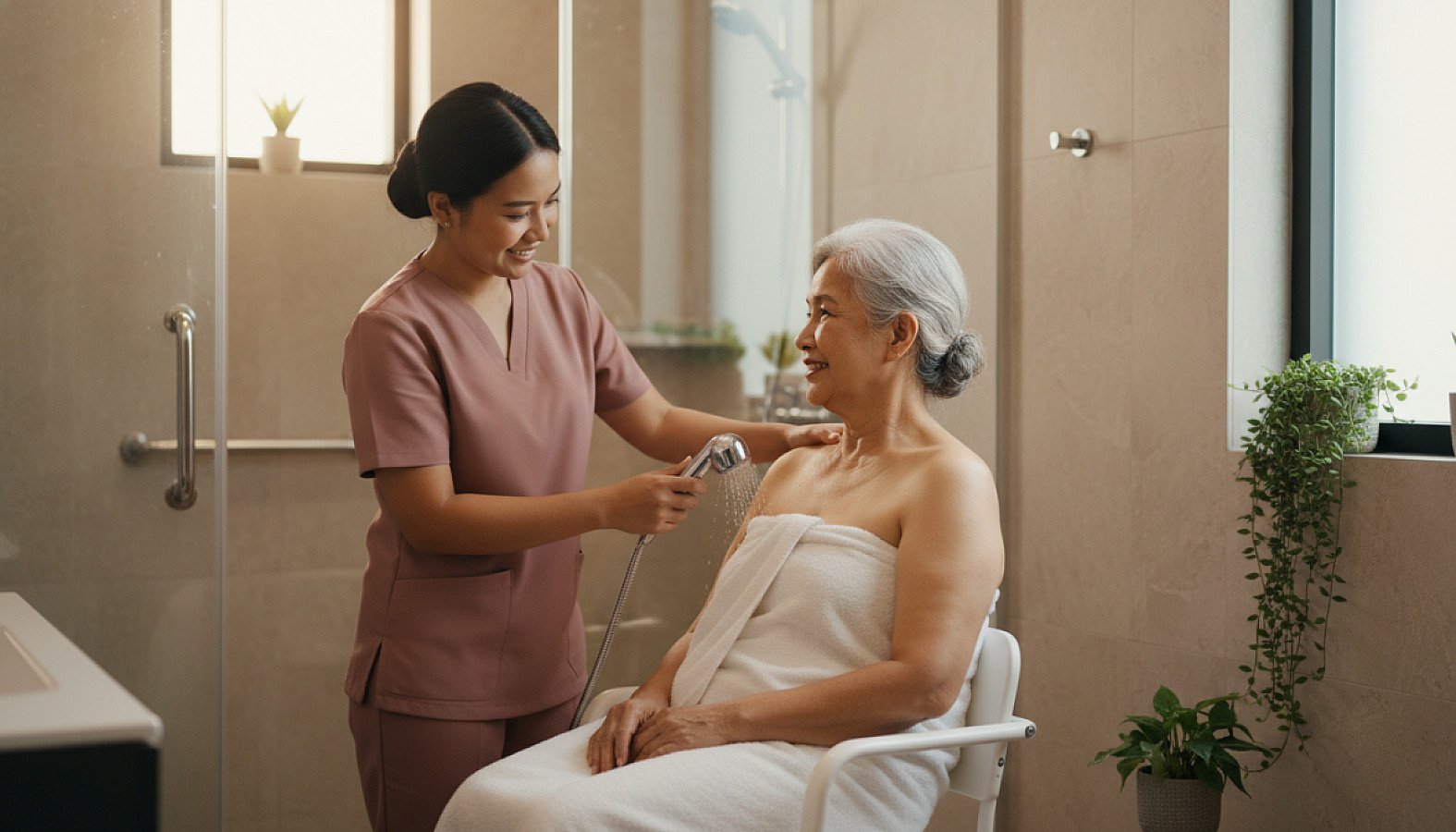
A caregiver helps an elderly woman bathe in a bathroom respectfully - RUKUN Home Care
Helping seniors with bathing and personal hygiene is one of the most intimate and sensitive aspects of care. Many families in Jakarta and Bogor feel uncomfortable or confused about how to help their seniors while maintaining dignity and privacy. When seniors begin to experience decreased mobility, poor balance, or health conditions that limit their independence, assistance with bathing becomes a critical need to prevent falls and ensure optimal hygiene. Understanding proper techniques and creating a safe environment will make the process more comfortable for everyone involved.
Why Does Bathing Assistance Require a Special Approach for Seniors?
Bathing, a seemingly simple activity for healthy individuals, becomes a complex challenge for seniors with physical limitations. Understanding the reasons behind these difficulties helps us provide more effective and empathetic assistance, while still respecting their independence.
Bathroom Safety Risks
The bathroom is one of the most dangerous places in the home for seniors. Slippery surfaces, confined spaces, and movements requiring balance, such as stepping into the bathtub or standing under the shower, significantly increase the risk of falls. Statistics show that most household accidents among seniors occur in the bathroom.
- Slippery Floors: Water and soap make tile floors very slippery. Older adults with slowed reflexes may not be able to catch themselves quickly enough when they start to slip.
- Decreased balance: Standing on one foot to wash or dry the lower body requires good balance, which is often impaired in older adults.
- Decreased vision: Water vapor and fogged-up glasses reduce visibility, making it difficult for older adults to see obstacles or uneven surfaces.
- Fatigue: Bathing requires a lot of energy to stand, bend over, and raise your arms above your head. Older adults may feel dizzy or faint mid-bath.
Psychological and Emotional Aspects
Losing the ability to bathe independently is often an emotional turning point for older adults. They may feel a loss of dignity, embarrassment, or frustration at having to rely on others for such a personal activity. A sensitive and respectful approach is crucial for maintaining their mental health.
Some older adults also experience water anxiety, especially if they have experienced falls in the bathroom before. They may refuse assistance or even avoid bathing altogether. Building trust and creating predictable routines can help reduce this anxiety.
The Role of Professional Caregivers
For families who feel uncomfortable or lack the physical ability to help their parents bathe, professional caregivers can be a wise solution. Services like RUKUN Home Care provide trained caregivers who understand the emotional dynamics and proper physical techniques for bathing assistance.
Professional caregivers in Jakarta and Depok have undergone special training in safe transfer techniques, respectful communication, and handling special medical conditions such as catheters, ostomy bags, or wounds that require special care. They can also recognize changes in skin conditions such as pressure sores, rashes, or signs of infection that families may not recognize.
Next Steps: Create a Safe and Comfortable Bathing Routine
Helping your senior with bathing is a loving act that requires a balance of physical safety and emotional respect. With proper preparation, adequate equipment, and a respectful approach, you can make this experience more positive for everyone involved. Remember that there's nothing wrong with seeking professional help when you need it—it's a sign of wisdom, not weakness.
If you need professional assistance caring for your senior, including assistance with bathing and other personal care activities, our team at RUKUN Home Care is ready to help. Our caregivers are trained in safe bathing techniques, respectful communication, and specialized care for seniors with various health conditions. Visit assessment for a free consultation and assessment of your parent's care needs, or contact us via WhatsApp at RUKUN Home Care for more information about our services.
Disclaimer: This article is educational and provides general guidance for assisting seniors with bathing at home. Every senior has unique needs based on their health, mobility, and personal preferences. If your parent has a specific medical condition such as a wound that requires care, a catheter, an ostomy, or a severe skin condition, consult a doctor or nurse for specific guidance. For more information on appropriate care techniques or to discuss your family's specific care needs, visit FAQ or contact our professional team for a personalized consultation tailored to your situation.
Bathing frequency for elderly individuals does not need to be daily like younger people. Full baths 2-3 times per week are sufficient for optimal hygiene, with sponge baths or cleaning specific areas on other days. Bathing too frequently can strip natural skin oils and cause dry, itchy, and irritated skin common in elderly. Most important is cleaning bacteria-prone areas like face, armpits, genital area, and feet daily or as needed. Frequency can be adjusted based on activity level, health conditions, and personal preference. Elderly who sweat heavily, have incontinence, or certain skin conditions may require more frequent cleaning with gentle products.
Fear of falling is a valid and common concern among elderly. Start by addressing their concerns directly—show safety modifications that have been installed like grab bars, shower chairs, and anti-slip mats. Let them see and touch the equipment to build trust. Start with small steps like sponge baths while sitting in a regular chair outside the bathroom to build confidence. Gradually transition to the bathroom by showing you will accompany and support them throughout. Ensure they wear anti-slip footwear and explain each step before doing it. If fear is very severe, consult with occupational therapist or geriatric psychologist for desensitization strategies. Professional caregivers who are experienced are often more successful because they are trained in building trust and using very safe transfer techniques.
Bathtubs can be safe if done with proper preparation, but require extra attention because getting in and out of bathtubs involves higher fall risks. If elderly want to soak, use bathtubs with doors (walk-in tubs) or install special bath lifts that help them enter and exit safely. Ensure there are sturdy grab bars around the bathtub and use anti-slip mats inside the tub. Fill water only waist-high when sitting to prevent drowning risk if they lose balance or fall asleep. Water temperature should be kept warm, not hot (maximum 40°C) to prevent dizziness or blood pressure drop. Never leave elderly soaking alone, especially if they have history of dizziness, hypotension, or heart conditions. Soaking duration should not exceed 15-20 minutes to prevent fatigue.
Elderly skin is thinner, drier, and more prone to irritation due to decreased natural oil and collagen production. After bathing, dry skin by patting gently using soft towels, not rubbing. Apply high-quality moisturizer within 3-5 minutes after bathing while skin is still slightly damp to lock in maximum moisture. Choose products formulated for sensitive skin, fragrance-free, and containing ingredients like ceramides, hyaluronic acid, or shea butter. Avoid products with alcohol or strong perfumes that can cause irritation. Pay attention to areas that tend to be drier like elbows, knees, heels, and hands that require extra application. For very dry skin, consider using natural oils like coconut oil or olive oil. If rash, redness, or persistent itching appears, consult with dermatologist for evaluation and more specific product recommendations.
Consider professional caregivers when bathing assistance begins causing significant physical or emotional strain on family members, or when elderly safety can no longer be guaranteed. Signs you need professional help include: elderly have body weight difficult to lift or support, you experience back pain or injury from helping transfers, elderly refuse help from family members due to embarrassment, or relationship tensions develop due to care dynamics. Professional caregivers from services like RUKUN Home Care have training in proper body mechanics techniques, respectful communication, and handling special medical conditions that family members may not have. They also bring professional perspective that can help maintain healthy boundaries in family relationships while ensuring parents receive high-quality care.