5 Signs It's Time for Home Care for Seniors
When to seek home care for parents? Find trusted senior care solutions for peace of mind.
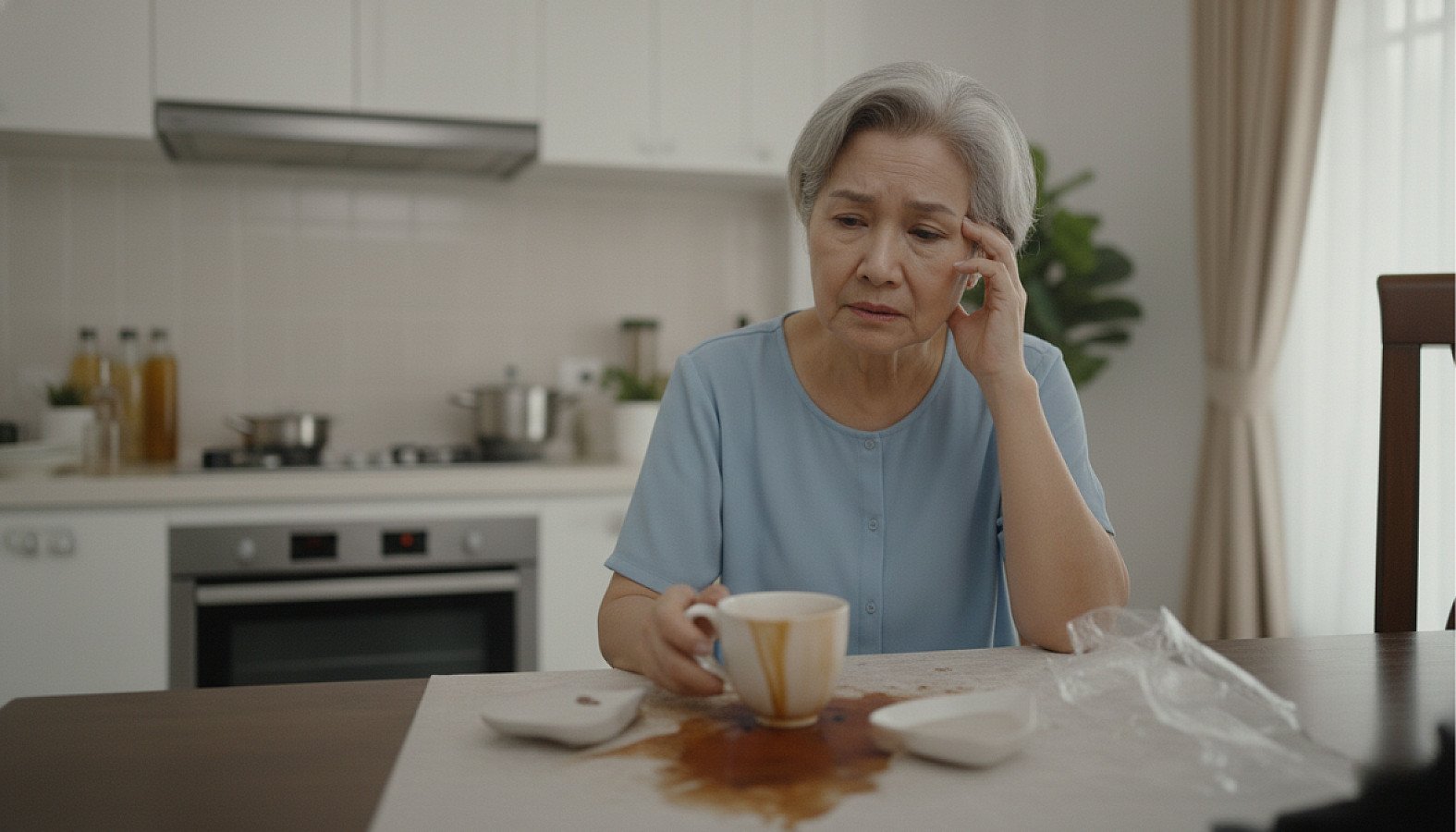
An elderly woman sits at a table looking distressed by a spilled drink - RUKUN Home Care
The decision to seek professional home care for aging parents is often accompanied by a complex mix of emotions – love, concern, and sometimes, a touch of guilt. As adult children, we naturally want to provide the best for our parents, especially as they navigate the challenges of aging. However, balancing personal responsibilities with the increasing needs of elderly loved ones can become overwhelming. Recognizing the signs that indicate it's time to consider expert support is crucial for ensuring your parents receive the compassionate, reliable care they deserve, right in the comfort of their own homes, whether in Jakarta or Bogor. This guide will help you identify these pivotal moments and understand the benefits of professional home care services.
When Does Home Care Become a Necessity?
The journey of aging is unique for every individual, and so are the signs that suggest a need for professional assistance. Often, the transition to requiring home care isn't a sudden event but a gradual shift. It begins with subtle observations – a parent forgetting to take their medication, a slight unsteadiness on their feet, or a noticeable decline in personal hygiene. These initial indicators, while seemingly minor, can be early warnings that your loved one is starting to struggle with tasks they once managed effortlessly. Ignoring these signs can lead to more significant issues, including accidents or a decline in overall health.
Navigating the Early Signs of Declining Independence
As parents age, their physical and cognitive abilities may change. This can manifest in various ways, from decreased mobility and stamina to challenges with memory and concentration. You might notice them struggling with household chores, finding it harder to prepare meals, or experiencing increased fatigue. Sometimes, their ability to manage personal care, such as bathing, dressing, or grooming, may diminish. These are not signs of failure but natural aspects of aging that, when addressed proactively with professional support, can be managed effectively.
Safety Concerns at Home
Home safety is paramount for seniors. As mobility decreases, the risk of falls increases significantly. Tripping hazards like loose rugs, poor lighting, or cluttered pathways can pose serious threats. Beyond physical safety, there's also the concern of medication management. Seniors may forget to take their prescribed medicines, take the wrong dosage, or miss doses altogether, which can have severe health consequences. A professional caregiver can ensure a safe environment and meticulous adherence to medication schedules, providing a crucial layer of security.
Understanding the Impact on Daily Life and Well-being
The ability to perform daily tasks and maintain social connections significantly impacts a senior's overall well-being. When these aspects of life become challenging, it’s a clear indication that external support might be beneficial. Professional home care services are designed to address these very needs, ensuring that seniors can continue to live fulfilling lives with dignity and comfort.
Challenges with Activities of Daily Living (ADLs)
Activities of Daily Living (ADLs) are fundamental tasks required for independent living, such as eating, bathing, dressing, grooming, and toileting. When a senior begins to struggle with one or more of these ADLs, it’s a strong signal that they may need assistance. For instance, a parent who was once meticulous about their appearance might start neglecting personal hygiene, or someone who always enjoyed cooking may now find meal preparation too strenuous. A personal caregiver can provide hands-on assistance with these tasks, ensuring the senior’s comfort and dignity are maintained.
The Importance of Social Engagement and Emotional Support
Social isolation is a significant concern for many seniors. As mobility decreases or friends and family become less available, they may withdraw from social activities, leading to loneliness and depression. Professional caregivers do more than just provide physical assistance; they offer companionship and engage seniors in activities they enjoy, such as playing games, reading, or going for walks. This social interaction is vital for mental and emotional health, helping seniors feel connected and valued. The presence of a trusted companion can make a world of difference in their outlook and overall happiness.
When Medical Needs Become More Complex
As individuals age, they may develop chronic conditions or require ongoing medical support. Managing these complex health needs at home can be challenging for both the senior and their family. Professional home care agencies are equipped to handle a range of medical requirements, ensuring that seniors receive the specialized care they need without the stress and disruption of moving to a facility.
Managing Chronic Conditions and Medication Regimens
Many seniors live with chronic conditions like diabetes, heart disease, or arthritis, which require consistent monitoring and management. This often involves a complex medication schedule, dietary restrictions, and regular check-ups. A caregiver can help ensure medications are taken on time and as prescribed, monitor vital signs, and assist with special dietary needs. They can also facilitate communication with healthcare providers, ensuring that any changes in the senior's condition are promptly reported and addressed. For example, a caregiver in Depok might work closely with the local Puskesmas to coordinate care for a diabetic senior.
Specialized Care for Specific Medical Situations
Certain medical situations require specialized skills that family members may not possess. This can include wound care, such as managing pressure sores (luka dekubitus), or assistance with medical devices like nasogastric tubes (NGT) or urinary catheters. Professional home care services often employ caregivers who have received specialized training in these areas. For instance, a caregiver might be trained to administer medication via NGT or to provide meticulous wound care, preventing infections and promoting healing. This level of specialized care ensures that seniors receive the best possible attention for their specific medical needs, allowing them to remain at home comfortably and safely.
Making the Transition to Professional Home Care
Deciding to bring in professional help is a significant step, and it’s important to approach it with clear communication and a well-defined plan. The goal is always to enhance the senior’s quality of life while ensuring their safety and dignity are prioritized. Open dialogue and a thorough assessment are key to a smooth and successful transition.
The Role of a Personal Caregiver and Live-In Options
A personal caregiver can provide a wide range of support, from companionship and assistance with ADLs to medication reminders and light housekeeping. The level of care can be tailored to the individual's needs, ranging from a few hours a week to more intensive support. For seniors who require constant supervision or assistance, a live-in caregiver offers a comprehensive solution. This provides round-the-clock support, ensuring that help is always available, which can be particularly reassuring for families living far from their aging parents, such as those in Tangerang needing support in Bekasi.
Steps to Choosing the Right Home Care Provider
Selecting the right home care agency is crucial. It involves research, asking the right questions, and ensuring the agency aligns with your family's values and your parent's specific needs. Look for agencies with experienced, certified caregivers, a clear care plan process, and transparent communication channels. RUKUN Home Care, with its commitment to providing trusted senior care in Indonesia, emphasizes a thorough assessment process to create personalized care plans.
- Assess Your Parent's Needs: Discuss openly with your parents about their challenges and preferences.
- Research Agencies: Look for reputable home care providers in your area, such as those serving Jabodetabek.
- Inquire About Caregiver Qualifications: Ensure caregivers are certified and have relevant training.
- Understand the Care Plan: Ask how personalized care plans are developed and adjusted.
- Discuss Communication and Support: Clarify how you will be updated on your parent's well-being.
- Consider a Trial Period: If possible, arrange a short trial to ensure the fit is right.
Next Steps
Deciding when to introduce professional home care is a thoughtful process, and recognizing the right moment is key to ensuring your aging parents receive the best possible support. By understanding the subtle signs of declining independence, the impact on daily life, and the complexities of medical needs, you can make an informed decision. If you're in the Jabodetabek area and are considering whether professional home care is the right path for your loved ones, we encourage you to take the next step. Contact RUKUN Home Care for a free, no-obligation assessment. Our experienced Care Coordinators are here to guide you through the options and help create a personalized care plan that respects your parents' dignity and enhances their quality of life.
This article is for educational purposes and is not a substitute for professional medical advice.
When choosing a home caregiver in Jakarta, prioritize certifications and training. Look for individuals who have completed accredited caregiver training programs, demonstrating their knowledge of elder care, basic first aid, and potentially specialized skills like dementia care. Verifying their background checks and references is also vital for ensuring trustworthiness and safety. A compassionate demeanor, good communication skills, and a genuine desire to help are equally important qualities that contribute to a positive caregiving experience for your aging parents.
You should consider hiring a home caregiver when your aging parents begin to struggle with daily activities like bathing, dressing, meal preparation, or managing medications. If they are experiencing mobility issues, social isolation, or if you, as a family caregiver, are feeling overwhelmed and unable to provide adequate support due to work or other commitments, it's a strong indicator. Prioritizing their safety, dignity, and well-being is paramount. A professional caregiver can offer invaluable assistance, allowing your parents to maintain independence and quality of life in their familiar surroundings.
The cost of home care for seniors in the Jabodetabek area can vary depending on the level of care needed, the number of hours required per day or week, and the specific services provided. Many agencies offer flexible packages to suit different budgets. It's advisable to contact several reputable home care providers to get detailed quotes. Look for agencies that are transparent about their pricing and any additional fees. Understanding the value of consistent, professional support can help in making an informed financial decision for your loved one's care.
You should consider more than occasional help if your parent is consistently struggling with essential daily activities like bathing, dressing, eating, or managing their medications. Look for signs of declining hygiene, unexplained weight loss, increased confusion, or a general lack of interest in activities they once enjoyed. If they are repeatedly having minor accidents, seem withdrawn, or if you are constantly worried about their safety and well-being when you're not around, it's a clear sign that professional, consistent support is needed to ensure their safety and quality of life.